
LAKSHADWEEP – The Tropical Coral Paradise of India
Lakshadweep, meaning “a hundred thousand islands” in Sanskrit, is India’s smallest Union Territory and one of its most pristine natural treasures. Located in the Arabian Sea, about 400 km off the southwestern coast of Kerala, this group of 36 islands (10 inhabited) is known for its white sandy beaches, turquoise lagoons, coral reefs, and rich marine biodiversity.
Geography and Climate
Lakshadweep consists of atolls, coral reefs, and sandbanks spread across 32 sq km of land area and over 4000 sq km of lagoon waters. The islands are flat, with no hills or rivers, and have a warm tropical climate. The best time to visit is between October and May, avoiding the southwest monsoon season (June to September).
Major Islands
Kavaratti: The capital and most developed island. Known for its beautiful lagoon, mosques, and water sports.
Agatti: The entry point with the only airport. Ideal for snorkeling and diving.
Bangaram: A scenic uninhabited island with luxurious eco-resorts, perfect for honeymooners and solitude seekers.
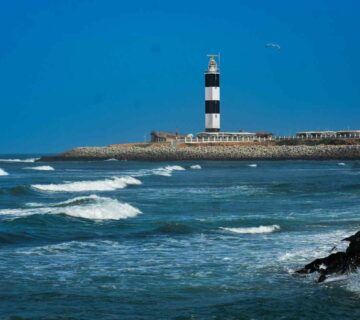
Minicoy: The southernmost island with a unique culture, tuna fishing, and the oldest lighthouse in Lakshadweep.
Kalpeni: Known for its shallow lagoons and coral debris beaches.
Culture and Religion
Lakshadweep’s population is predominantly Muslim, following Sunni Islam of the Shafi school. The culture is influenced by Malayali and Arab traditions, reflected in the local language (Malayalam and Mahl), cuisine, music, and attire.
Islamic festivals like Eid-ul-Fitr and Eid-ul-Adha are celebrated with local fervor, along with folk dances like Lava, Kol Kali, and Parichakali.
Natural Wonders and Marine Life
-
Coral Reefs: Lakshadweep is India’s only coral atoll system, home to vibrant coral gardens and rare marine species.
-
Marine National Park (Pitti Island): A bird sanctuary and nesting ground for pelagic birds like terns and frigatebirds.
-
Lagoon Waters: Ideal for spotting dolphins, turtles, reef sharks, and exotic fish.
Adventure and Tourism
-
Snorkeling and Scuba Diving: Especially in Agatti, Bangaram, and Kadmat.
-
Kayaking and Canoeing: Calm lagoons make for perfect paddling experiences.
-
Deep Sea Fishing: Tuna fishing is a major activity, and sport fishing is growing in popularity.
-
Glass Bottom Boat Rides: A great way to view coral reefs without diving.
-
Island Hopping Cruises: Explore multiple islands via government-operated or private vessels.
Cuisine
Lakshadweep cuisine is heavily seafood-based and coconut-rich, reflecting its island geography. Must-try dishes:
-
Tuna curry, Fish fry, and Octopus masala
-
Coconut rice, Lobster preparations, and Local snacks like pathiri
-
Sweet dishes like Banana Halwa and Coconut Ladoo
Traditional cooking uses minimal oil and spices, with a focus on freshness and simplicity.
Economy and Development
The Lakshadweep economy revolves around fishing (especially tuna), coir production, tourism, and coconut-based agriculture. The government promotes sustainable tourism to preserve the delicate marine ecosystem. Controlled access and eco-regulations are strictly followed.
Conclusion
Lakshadweep is an untouched tropical paradise, offering serene beaches, vibrant coral reefs, and peaceful island life. For travelers seeking sustainability, seclusion, and natural beauty, it is one of India’s most exclusive and enchanting destinations.
Quick Facts
-
Currency: Indian Rupee (INR)
-
Language: Malayalam, Mahl (a dialect of Dhivehi), English
-
Visa/Permit: Special permit required for all non-residents (Indians and foreigners)
-
Access: Flights from Kochi to Agatti; ship cruises from Kochi available
📅 Tour Duration
5–7 Days
(Customizable options available!)

No comment